Spin and go poker heads up has become a proper fixture for punters chasing quick, self-contained sessions where every deal is settled before the next one starts. The format strips away multi-table clutter and puts the action squarely on a single opponent, which makes bankroll pacing and seat selection the real variables. If you’re weighing whether the format suits your rhythm, the questions worth asking aren’t about flashy graphics but about how the mechanics actually behave once you’re in a seat. Plenty of operators now bundle the format into their live lobby, and the numbers behind a quick spin-and-go run matter more than the window dressing.
How the Format Actually Plays Out
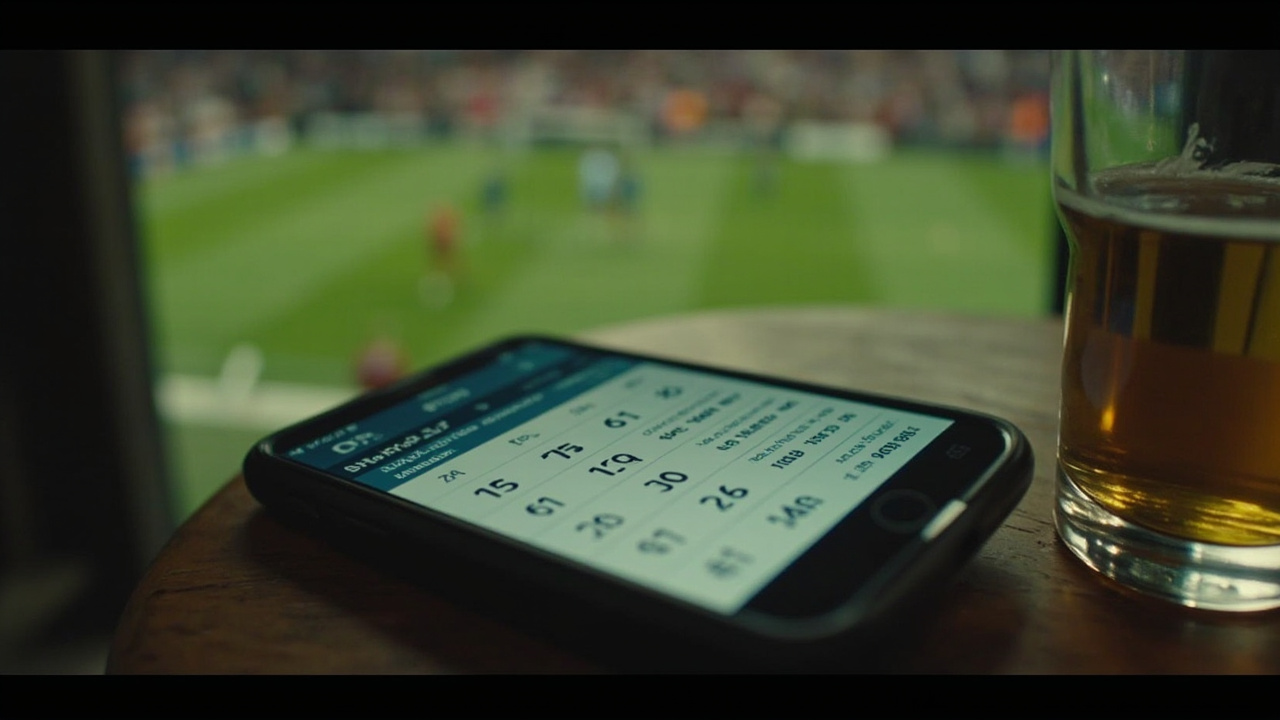
Spin and go poker heads up is built around a single-table match where you sit across from one opponent and the winner takes the pot without a third player complicating the hand range. The structure rewards tight starting selection because you can’t fold your way out of a bad board once the action heats up. Operators typically run the format on a dedicated table with a fixed blind structure and a set number of hands per round, which keeps the pace brisk and the decisions frequent. You’re not waiting on a slow multi-table queue, and that matters when you want a session that fits between a lunch break and an arvo appointment. The key is treating each hand as a discrete decision rather than chasing a narrative through a long tournament stream. If you’re after a lobby that keeps the tables moving without the usual queue friction, you can try the clubhouse casino and see how their lobby loads up on a busy evening.
The math underneath the format is straightforward but unforgiving. There are 36 possible outcomes when rolling two six-sided dice, and while that’s a dice analogy rather than a card mechanic, it’s the same kind of fixed-outcome thinking that shapes how you size your bets relative to the pot. Each hand has a known distribution of starting hands, and the heads-up dynamic means your opponent’s range is narrower than in a full-ring game. That narrower range is where the real edge lives, but it’s also where tilt sneaks in because every bad beat feels personal when there’s only one other seat at the table. The format doesn’t reward hero calls; it rewards patience and a willingness to fold when the board texture runs against you.
What to Weigh Before You Sit Down
Before you lock in a seat, the questions worth asking are about session length, stake ladder, and how the operator structures the entry points. A spin and go poker heads up table usually runs a fixed number of hands per round, so you’re not waiting on a slow multi-table queue and you’re not stuck in a grind that drags past your intended window. The stake ladder matters because jumping up too fast turns a controlled session into a nervous one, and the blind structure dictates how often you’re forced to act with a marginal hand. You should also check whether the table uses a fixed buy-in or a sliding entry, because that changes how you plan your stop-loss and your walk-away point. If you’re the sort who wants a quick hit and a clean finish rather than a long evening grind, the format can suit you, but only if you’ve already decided what a reasonable session looks like before you press deal.
The production side of these tables is where a slot-design mindset actually helps. In land-based and social casino products, we tune hit frequency and payout pacing so the player feels the rhythm without the math feeling arbitrary, and the same discipline applies here: the table needs a predictable cadence so you can read the flow rather than guess at it. Andrew Ryan, Chief Financial Officer, Southern Star Esports, has noted that “session length and stake ladder are the two variables that actually move the needle on whether a player sticks with a format or burns out in a week,” which is a useful reminder that the operator’s table settings are doing real work behind the scenes. You don’t need a spreadsheet to play, but you do need to know what you’re signing up for before the first hand goes live.
When every column and row follows that same deliberate cadence, the data stops feeling scattered and starts behaving like a well-tuned reel. You can test that structure yourself by visiting try the clubhouse casino to see how consistent pacing shapes the overall experience. Once you lock in a steady rhythm across the board, the entire layout reads like a single, cohesive session rather than a collection of isolated numbers.
Registration, Verification, and First Session
Getting into a spin and go poker heads up table starts with a straightforward signup, but the eligibility and verification steps are where the real friction lives, and that’s by design. You’ll need to confirm you’re 18+, provide the usual identity details, and clear a verification check before any real-money table is unlocked. The first deposit usually comes with a bonus activation step, which means reading the terms rather than assuming the credit is free play. In Australia, the licensing picture is clear: real-money online poker isn’t licensed or regulated here, so any operator you use is operating under an overseas licence, and that’s a fact worth keeping in front of you rather than brushing past. You should treat verification as a gate you clear once, not a hurdle you try to sidestep, because a clean first session depends on having your account properly set up before the cards start flying.
The first session itself is where the format reveals whether it matches your habits. You want a table that loads quickly, a lobby that doesn’t bury the heads-up option, and a stake ladder that lets you start small without feeling like you’re wasting time. Mobile play is now standard across most lobbies, and a responsive table matters when you’re squeezing in a session between appointments or waiting on a bus through Hobart traffic. Olivia Foster, Marketing Director, Australian Gaming Futures, has pointed out that “the players who actually stick with a format are the ones who can start a session in under a minute and finish it without hunting through three menus,” which is a fair read on why lobby design and mobile responsiveness matter more than most people expect. If you’re after a lobby that keeps the tables moving without the usual queue friction, you can try the clubhouse casino and see how their lobby loads up on a busy evening.

When the Format Fits and When It Doesn’t
The format suits players who want a contained session with a clear start and finish, and it’s less forgiving for anyone who prefers a slow grind or a multi-table spread. A spin and go poker heads up run is compact by design, so if you’re the sort who wants a quick hit and a clean finish rather than a long evening grind, the structure can work in your favour. The downside is that the pace can feel relentless if you’re not used to making frequent decisions with a narrower range, and the heads-up dynamic means every hand carries a bit more emotional weight than a full-ring seat. You should also weigh whether you’re playing for the action itself or for the chance to run a small edge over a fixed number of hands, because those are two different mindsets and they don’t mix well in the same session.
The production reality is that these tables are built to keep the cadence tight, and that’s a design choice rather than a coincidence. In social casino products, we tune the pacing so the player feels the rhythm without the math feeling arbitrary, and the same discipline applies here: the table needs a predictable cadence so you can read the flow rather than guess at it. Mia Evans, Independent iGaming Expert, Kangaroo Point Analytics, has observed that “the operators who keep players coming back are the ones who make the table settings transparent and the stake ladder easy to navigate, not the ones who hide the mechanics behind a glossy lobby,” which is a fair read on why clarity matters more than window dressing. If you’re weighing whether the format suits your rhythm, the questions worth asking aren’t about flashy graphics but about how the mechanics actually behave once you’re in a seat.
Spin and go poker heads up rewards a clear session plan and a willingness to fold when the board runs against you, so the players who get the most out of it are the ones who treat each hand as a discrete decision rather than chasing a narrative through a long tournament stream. If you’re after a format that fits between a lunch break and an arvo appointment, the compact structure can work in your favour, provided you’ve already decided what a reasonable session looks like before you press deal.
Quick glossary

- Heads-up: a two-player poker match, one opponent per table.
- Blind structure: the schedule of forced bets that increases over the round.
- Stake ladder: the sequence of entry levels or buy-in tiers available at a table.
- Verification: the identity and age checks required before real-money play is unlocked.
- RNG: the random number generator that determines the result the moment you press spin.